A Closer Look at Carlita
Carlita goes deeper this week, offering personal insights and moments from her story. Answers are in her own words.
Is there a lesson your parents taught you by example that you still hold onto?
The main lesson I hold onto is that consistent effort transforms. My parents, despite coming from very humble backgrounds, managed to move forward through hard work, responsibility, and perseverance. From them, I learned that it is not enough to wish for change—you must act, make decisions, and stay committed to them.
What do you hope your child understands about your experience? What message do you hope they carry into their own life?
I hope my child sees in my story the continuation of my parents' teaching—that effort, responsibility, and determination can truly change your life. I also hope they understand that, even in the midst of difficulties, it is always possible to move forward and build something better, and that helping others is not only necessary but also meaningful.
What is one story from your work that has especially marked you?
More than a single story, what has deeply marked my life is the set of experiences I have lived throughout my work. From my first experience in the field, supporting children and adolescents in rural areas, I learned to listen to stories that had often never been told, to understand different realities, and to recognize the strength that exists amid hardship. Over time, my work in the group home has also left a very important mark on me. I have learned that there are children and adolescents whom God somehow places in our path so that we can build a different opportunity together. We work with the hope that they can return to their homes, and just as one story moves forward with reintegration, another arrives—constantly reminding me that there is always something more to do in someone else's life.
What motivates you on the most difficult days?
My family is a fundamental pillar—my child and my husband are a constant source of strength. But on difficult days, what motivates me is remembering the purpose of my work: knowing that it can make a difference in the life of a child, adolescent, or family.
Are there any special customs or traditions your family practiced or that you still practice today? What activities or skills did you learn during your childhood?
In my family, it has always been important to gather, talk, and solve difficulties together. Many times, these moments happen around the table after sharing a meal. For me, this has been an important lesson about the value of listening, supporting one another, and seeking solutions together. They are simple moments, but deeply meaningful.
What aspect of your culture makes you feel most at ease?
The sense of community and closeness among people—the knowledge that, even without having much, there is always a willingness to share, support, and accompany one another.
Are there aspects of Ecuadorian culture that you would like people to better understand?
I would like people to better understand the sense of community that still exists in many places. Mingas, for example, are a form of collective work where each person contributes what they have. It is a way of building together, supporting one another, and sharing in community—each person contributing with tools, food, or knowledge.
How did you come to Fundación FACE and your team?
I joined FACE as my first professional step, and also one of the most meaningful. I began working in the field on a project for the prevention and eradication of child labor, supporting children and adolescents. From there, I understood that this was not just a job, but a vocation. Over time, I grew within the institution until reaching the role I hold today, always with the same purpose that motivated me from the beginning.
Is there any additional information you would like to share with our readers?
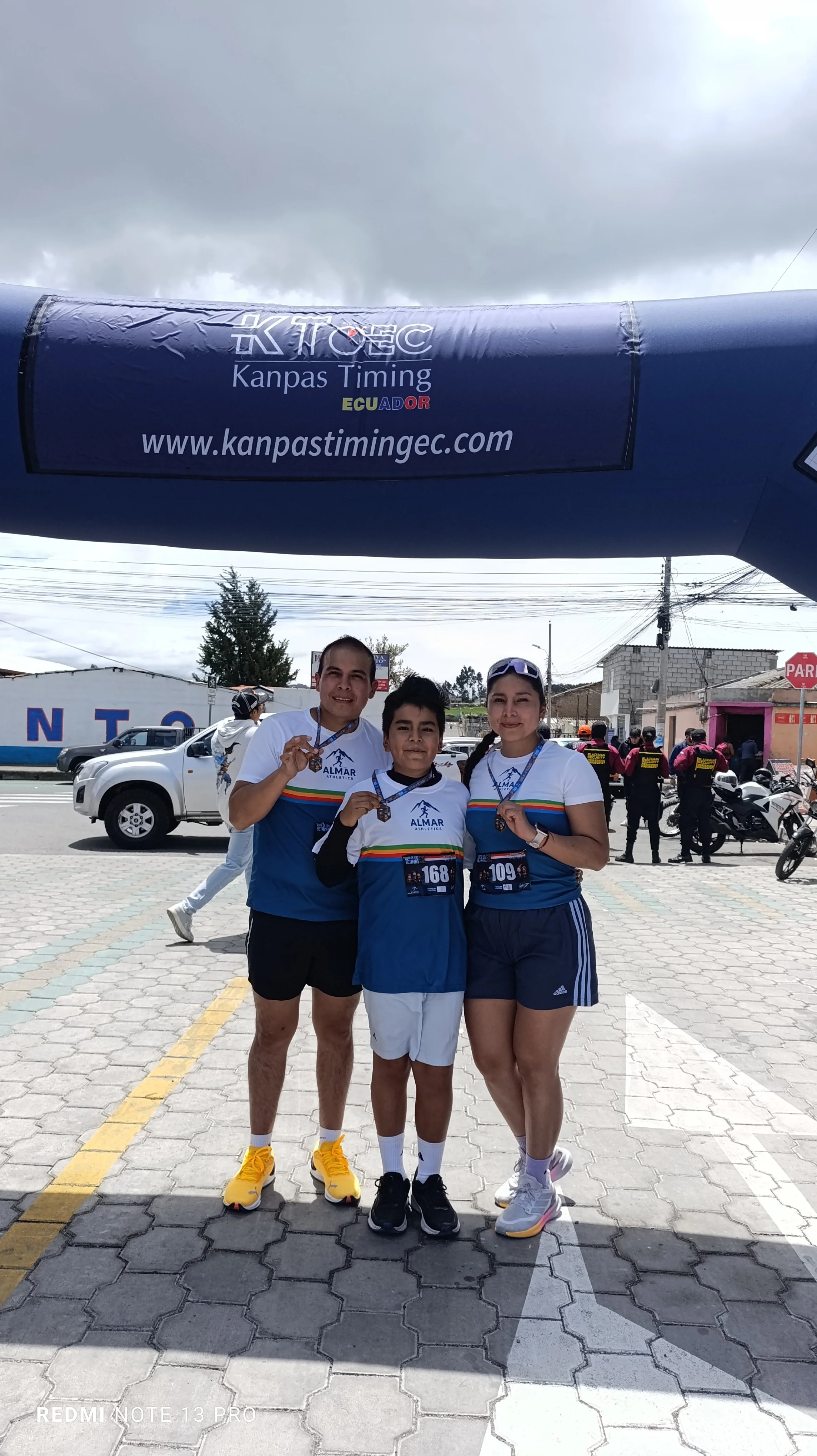
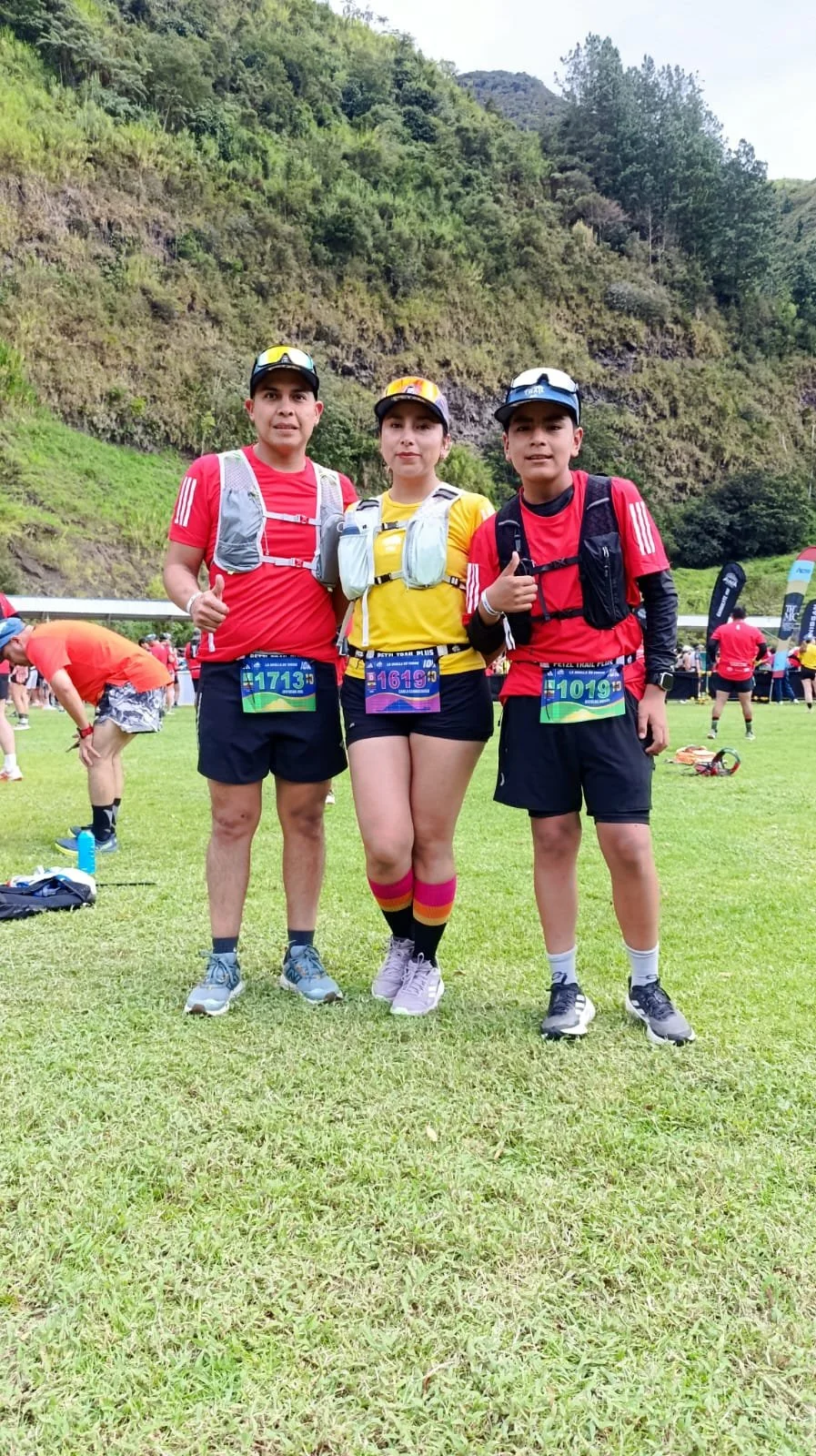
Something that is very important to me today is physical activity, especially running. I returned to an activity I practiced in my childhood, and now I do it with my family. We participate in mountain and road races (trail running and road running). Each competition is a challenge, but also a reminder that it is always possible to move forward, even when it seems difficult.