Your Impact Lives Here
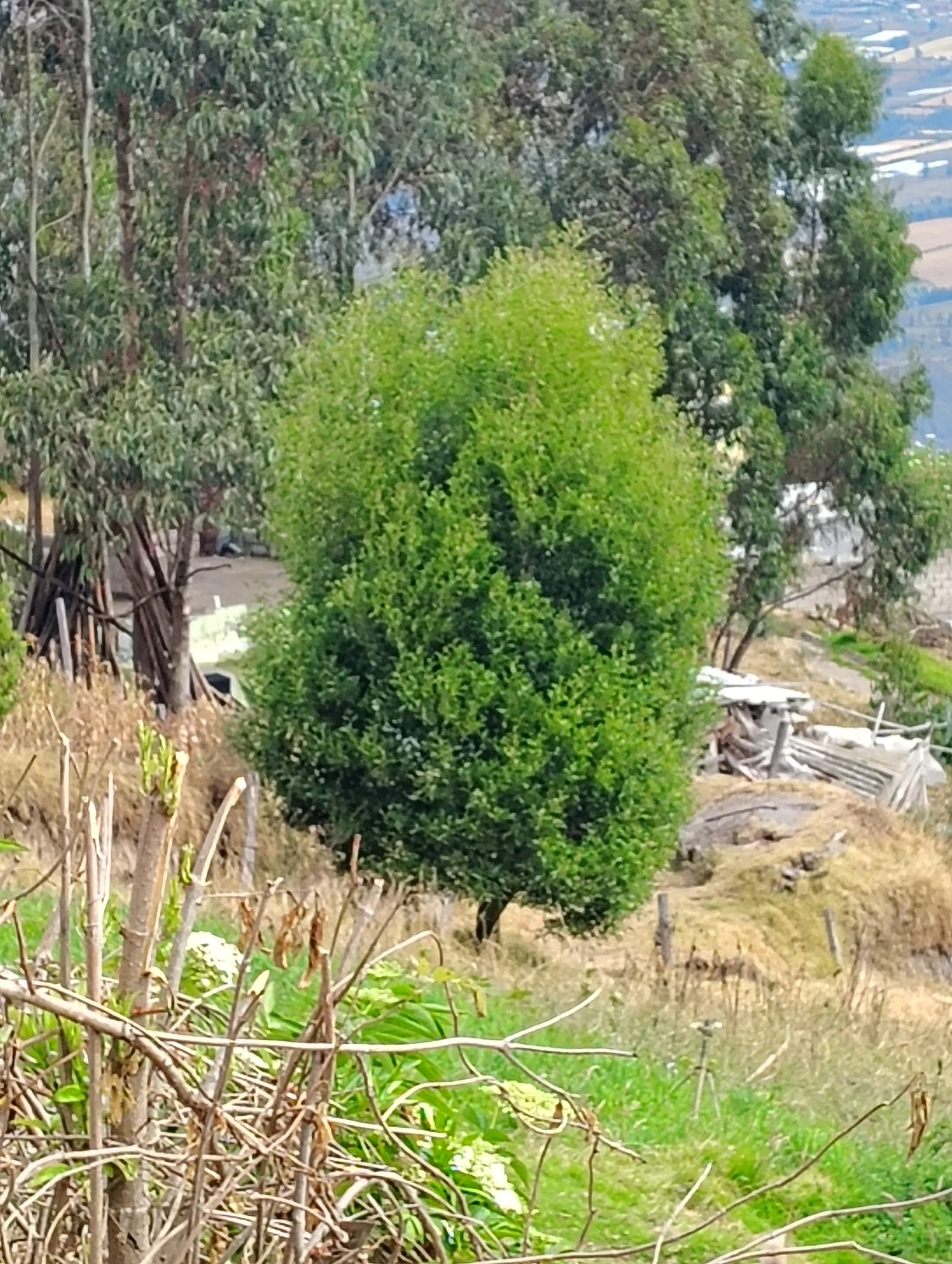
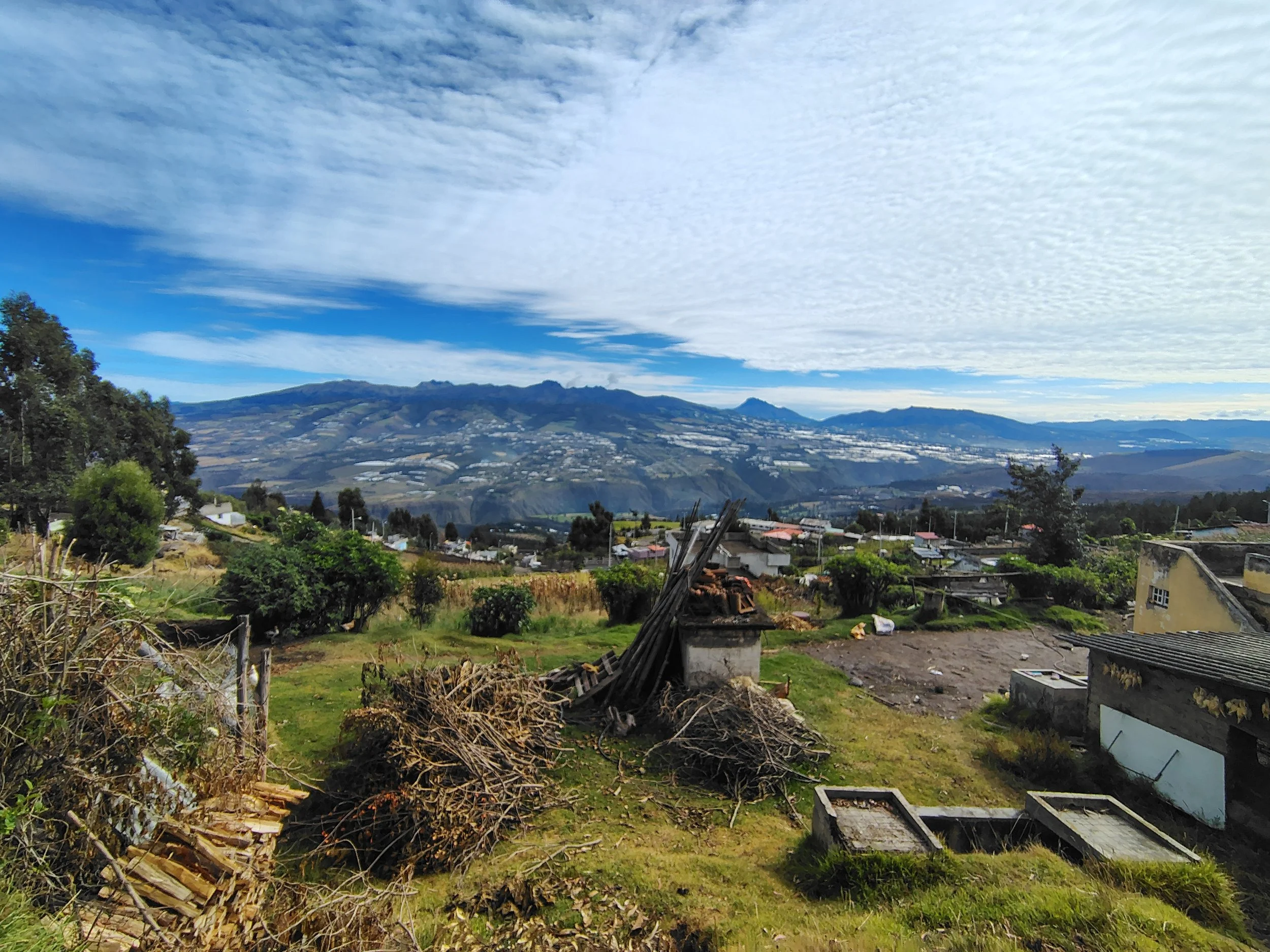
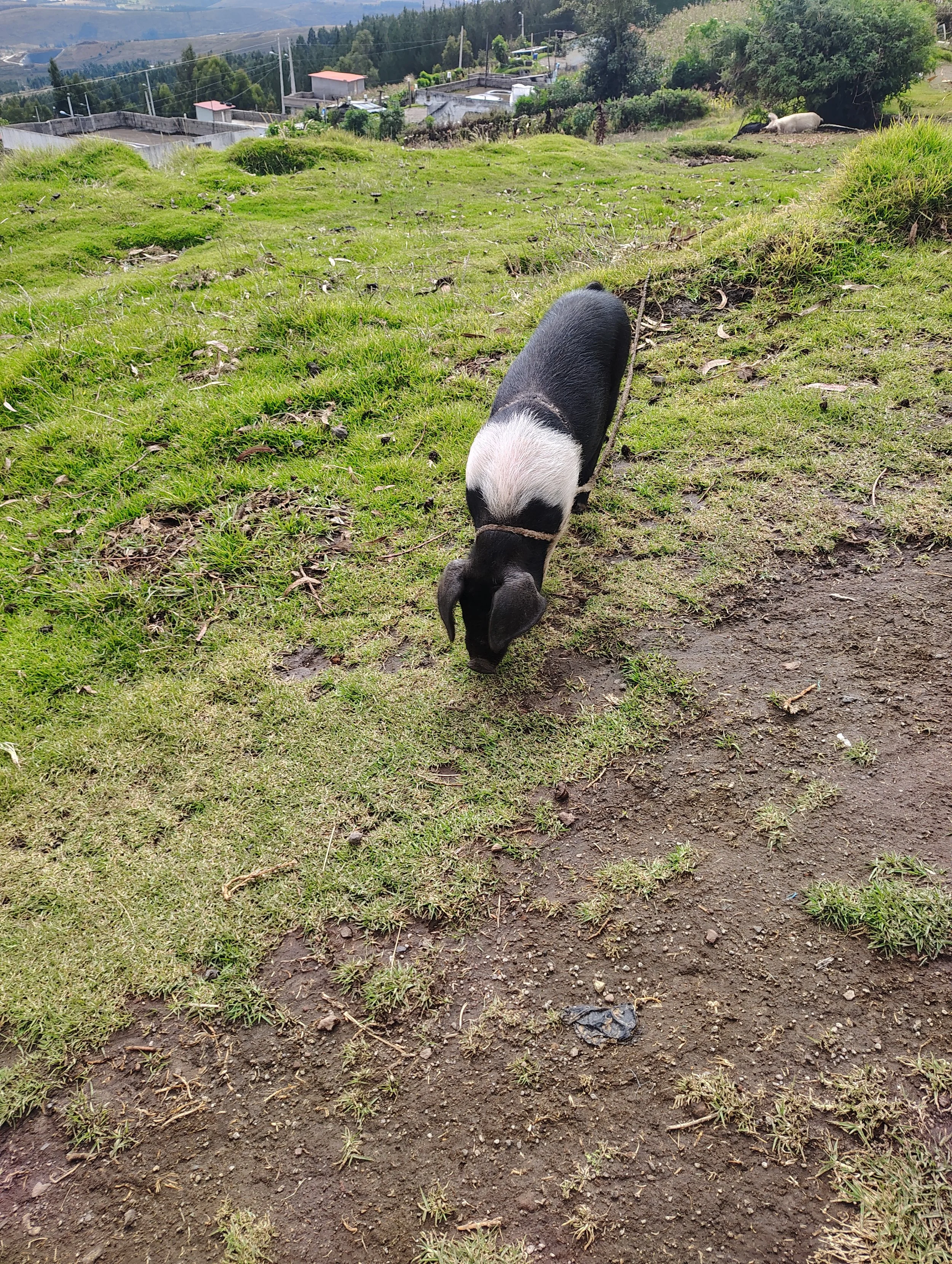
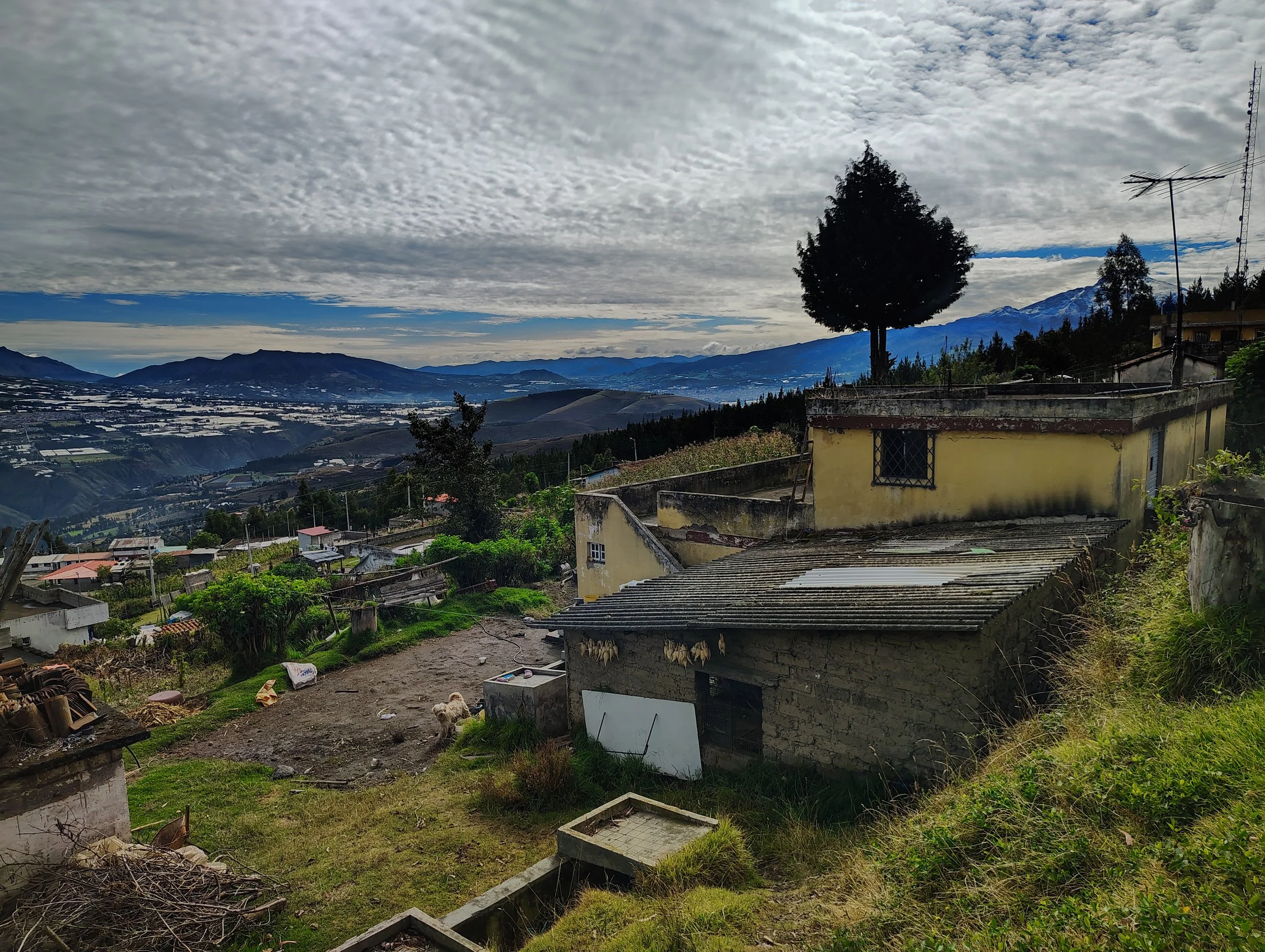
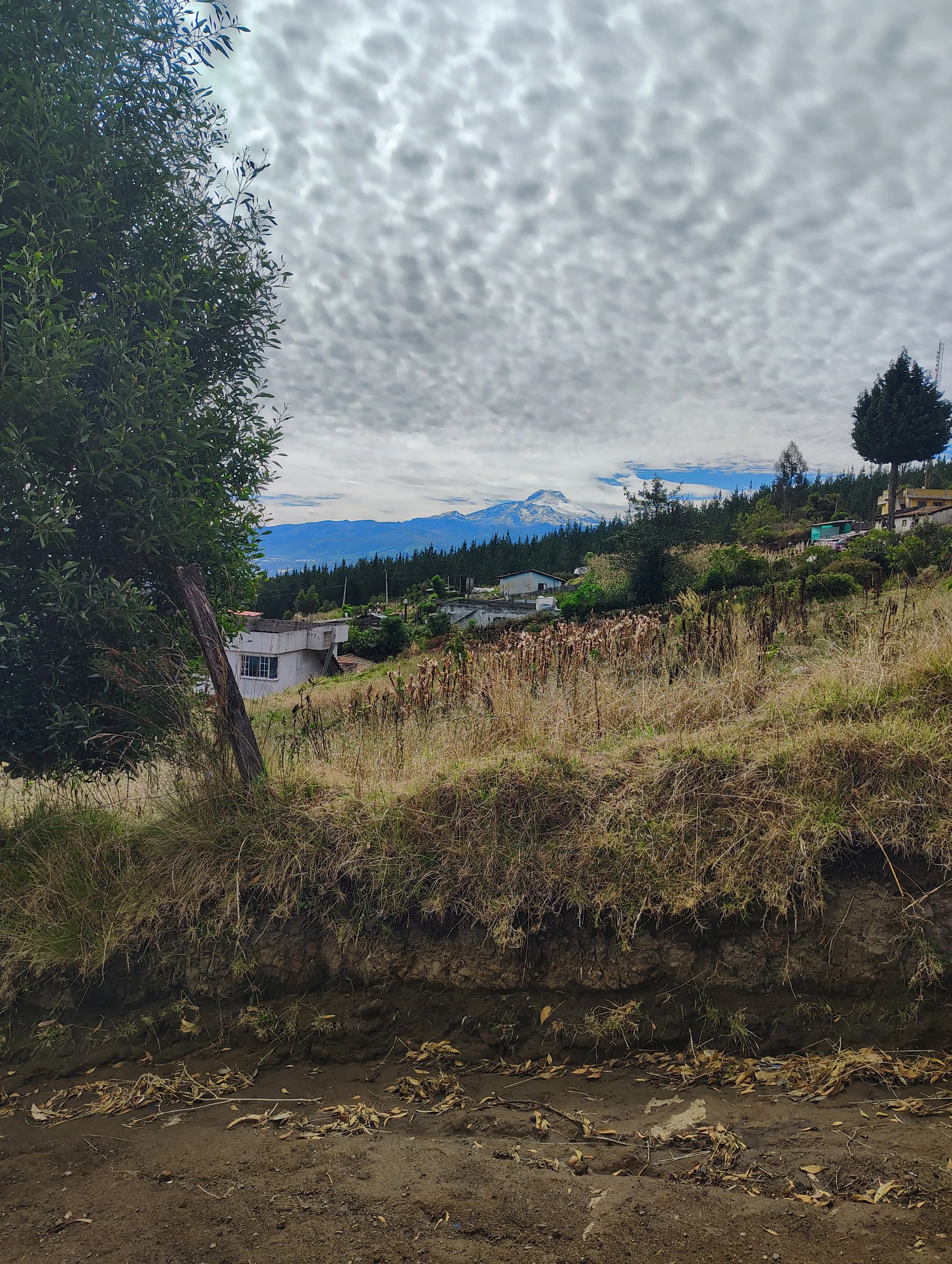
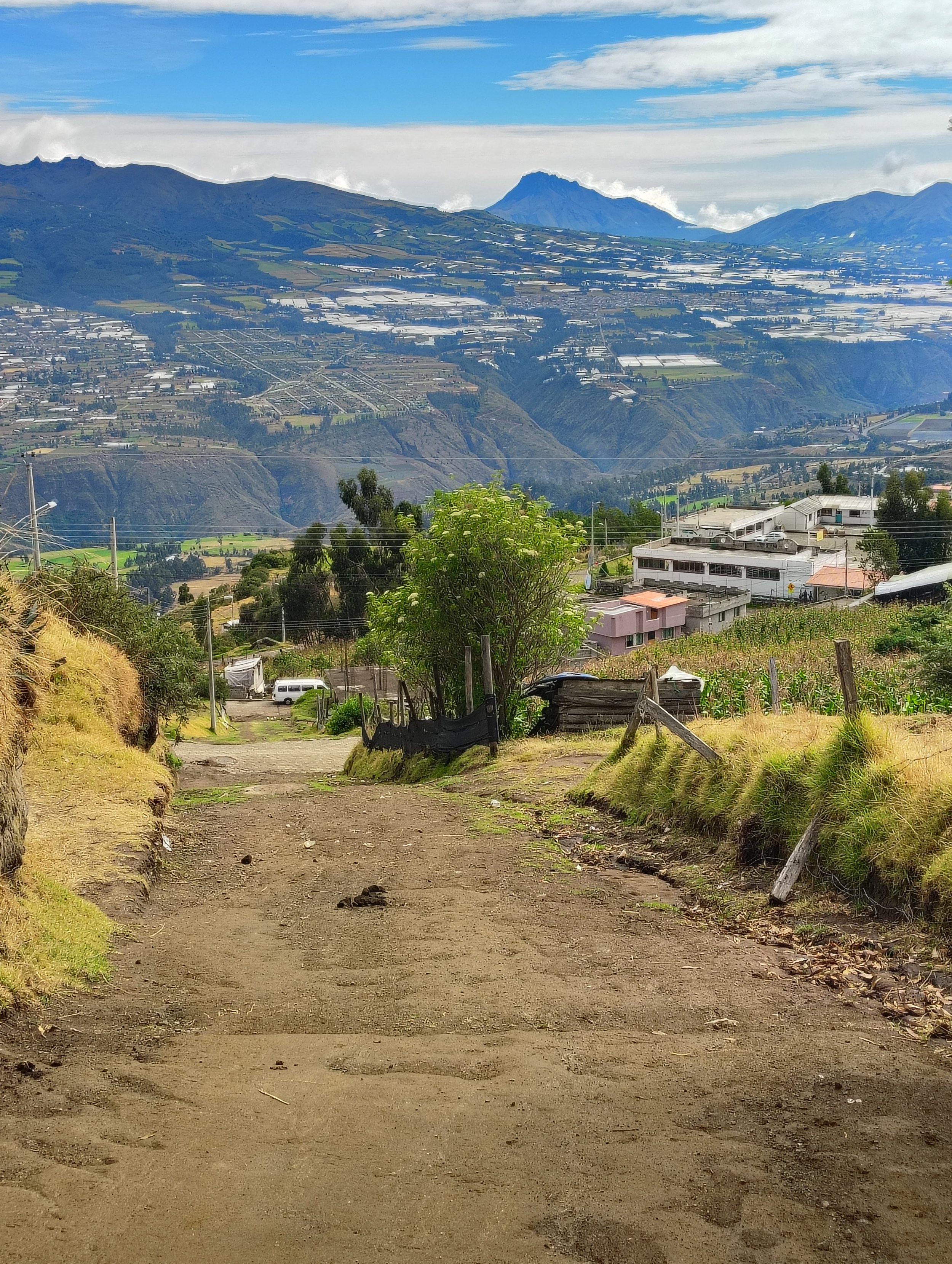
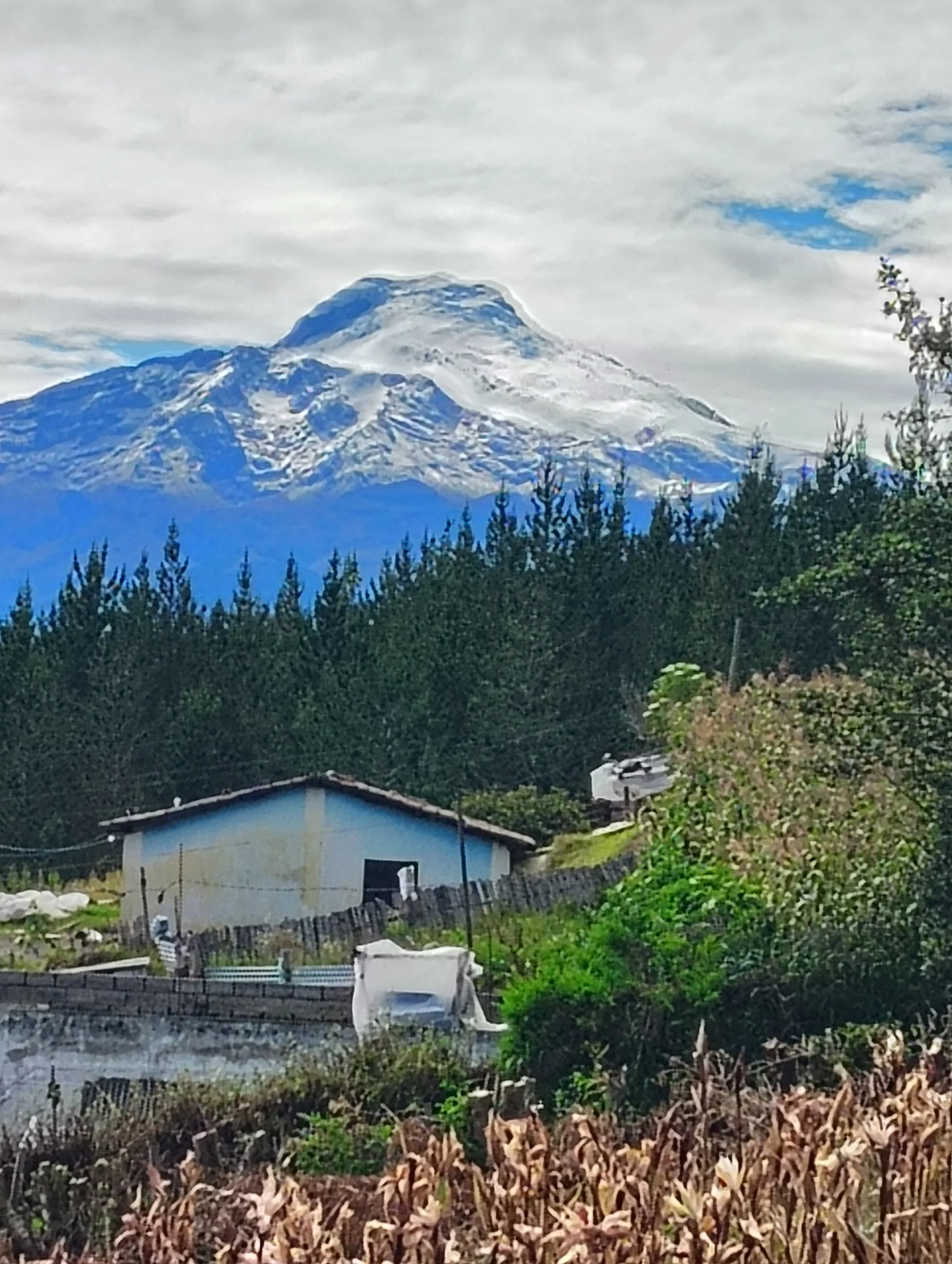
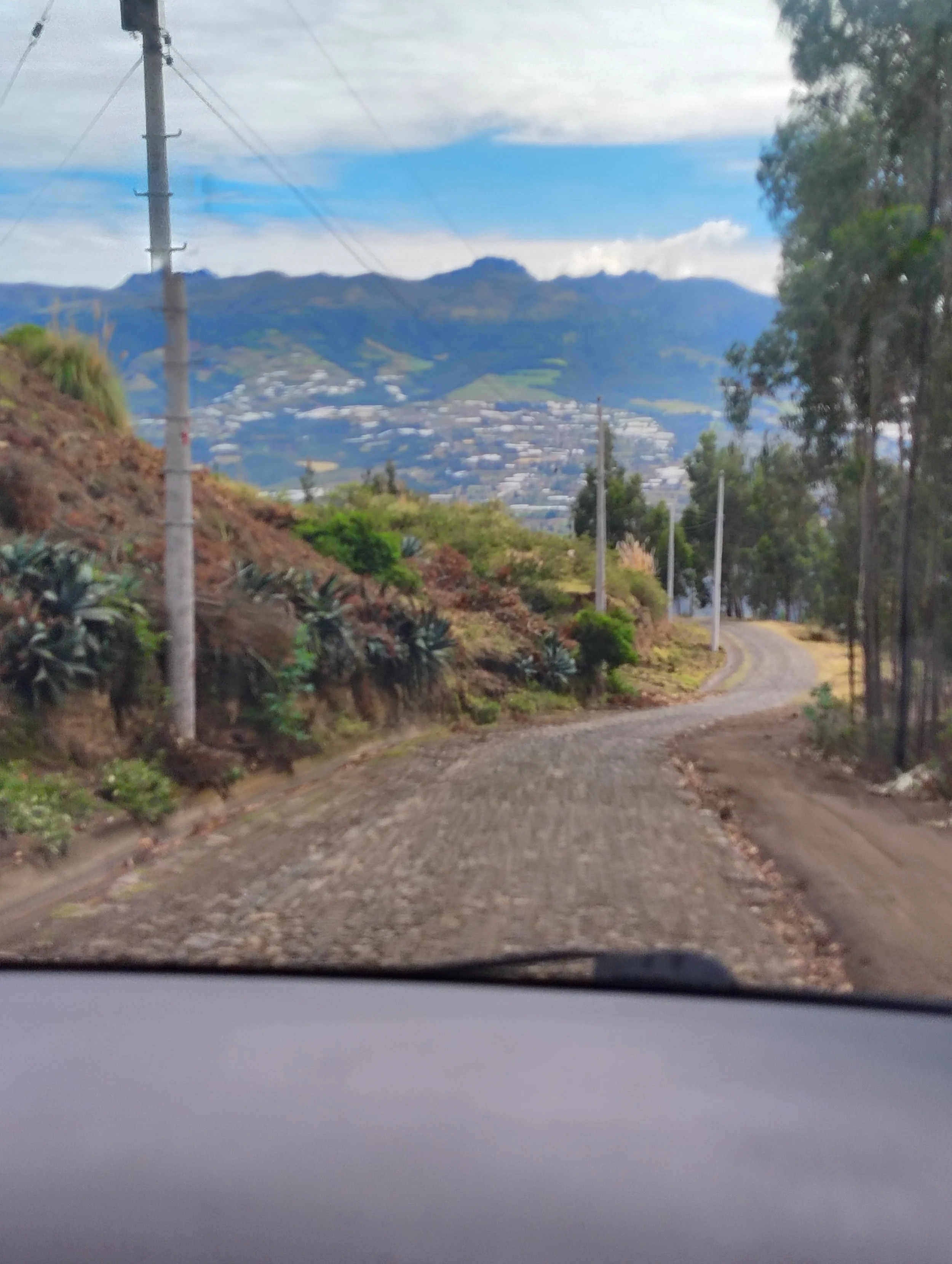
During her time in Ecuador, Jessica was invited to join the Intervention Team on home visits to families receiving services. Below is one account. To protect their privacy, there are no pictures of the family; however, she did capture photos of the landscape around their home.
The road tightened as we climbed, turning from uneven stones and rock to dirt, winding its way up the mountain like a quiet invitation. Homes appeared in scattered clusters across the hillside—some close together, others standing alone with animals roaming freely between them. A man shepherded his sheep down a path, moving with the slow, steady rhythm of someone who knows the land by heart. The views were breathtaking, but what struck me most was the stillness. Everything felt hushed, as if the mountain itself was listening.
The family’s home was tucked into the hill, trees gathered around the back and sides. Inside, the floors were made of packed dirt. Clutter was stacked haphazardly in corners and on top of furniture, the kind of accumulation that happens when space is limited, and life is full. Even though there was electricity, the rooms felt dim—light pooling only near the open door where the sun could reach in.
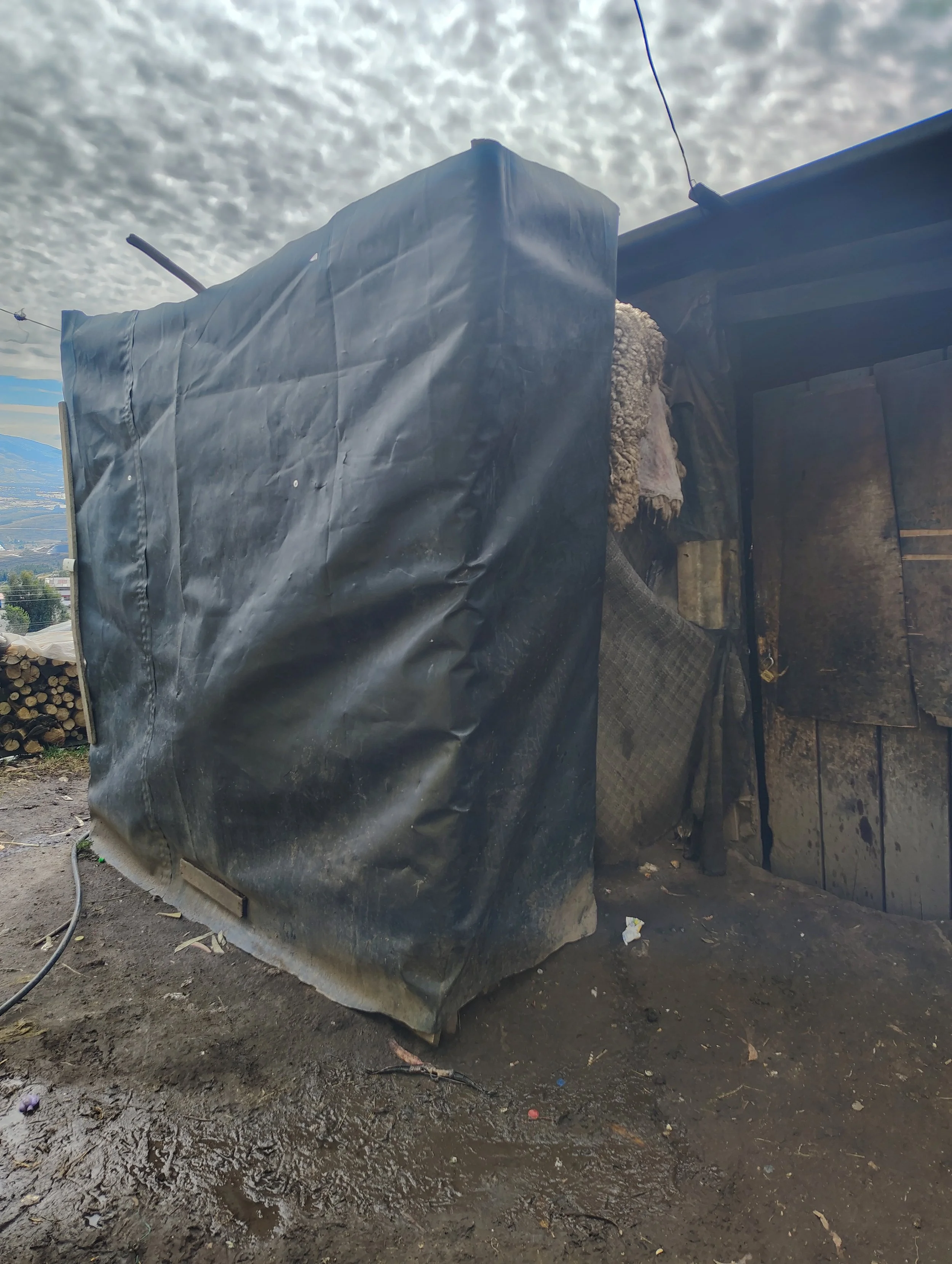
Outside, the kitchen was simple and rustic, with a wood-fired stove. A small bathroom stood nearby, pieced together from sheets of plastic that fluttered in the breeze. This family had been selected to receive a new bathroom—one built for safety, dignity, and privacy. It was hard not to imagine how transformative that would be.
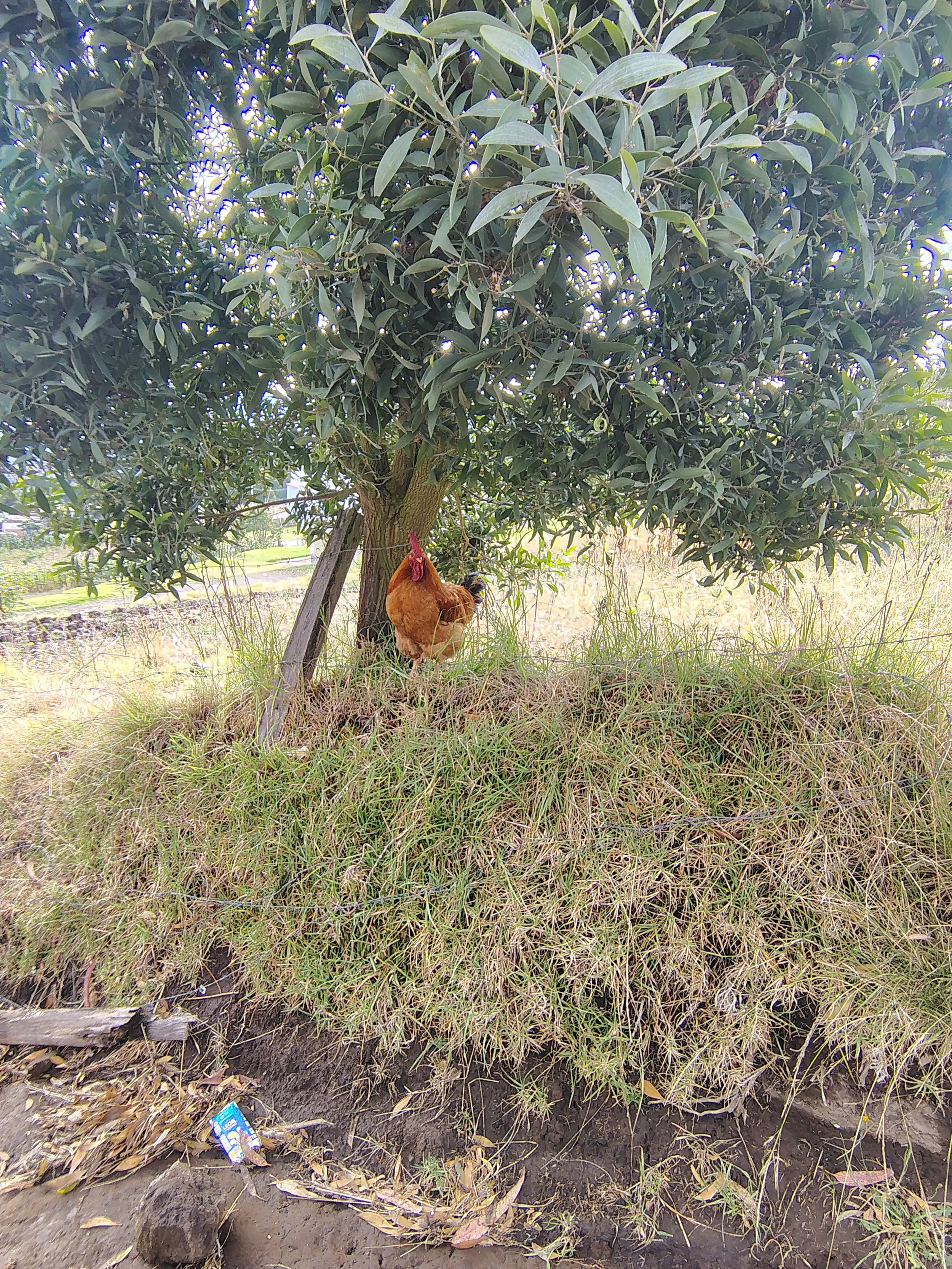
A chicken coop stood under an overhang designed to funnel rainwater into barrels. That water was used for washing clothes. Chickens wandered freely, and inside the main room, guinea pigs rustled in a cage. The guinea pigs would be sold for $10-$12, providing income for the family. Seven people shared one bedroom, including a teenage daughter and her two‑year‑old son. The closeness of their living space revealed both the challenges they faced and the strength they carried.
We were there as part of the Intervention Program, working with families to strengthen communication and help each member understand their personal rights. They welcomed me into their home, offering a seat as if I had always belonged there. Miguel, the Intervention Program Family Facilitator, led the discussion with a game that looked playful but carried real weight. He closed his eyes and hummed a steady tone while a stuffed animal was passed quickly around the circle. When he stopped, whoever held it had to answer a question about individual or family rights.
There was a hurriedness in the passing—sharing feelings openly is hard, especially in a close-knit family where vulnerability can feel risky. But each child took their turn with grace and bravery. Their answers were small windows into their hopes and fears, and into the tender work of learning to trust one another.
Standing there, surrounded by trees, animals, and the soft hum of mountain wind, I felt the depth of what it means to walk alongside families. Transformation doesn’t always happen in grand gestures. Sometimes it begins in a dim room with dirt floors, a stuffed toy passed from hand to hand, and the courage to speak truth aloud.
The first two pictures show the family home nestled in the trees and a close-up of the bathroom that opens onto the outdoor kitchen. Donor funds were given to build a new bathroom for the family during the Santiago Partnership 2025 end-of-year campaign.